Plaques That Weather Montana Wind
Cast Bronze in Great Falls for memorials, historical markers, donor recognition, and permanent outdoor installation
Bronze plaques oxidize to a stable patina that protects the underlying metal from further corrosion, which is why cast bronze remains the standard for commemorative installations exposed to Montana's freeze-thaw cycles, summer heat, and UV radiation that degrades painted finishes and plastic substrates within years. Double G Engraving produces custom cast bronze plaques with raised or recessed lettering, logos, graphics, and dedication text that stay legible through decades of weather exposure. You need this material when the marker must outlast the installation itself—cemetery memorials, building dedications, park bench inscriptions, or donor walls where replacement is impractical and longevity is expected.
The casting process starts with a pattern that defines every detail of the final plaque, then molten bronze is poured into a mold cavity and allowed to solidify before finishing work refines edges, highlights raised elements, and applies patina treatments that accelerate the natural aging process into a controlled, uniform appearance. Customization options include border styles, background textures, attached mounting hardware, and fill colors that emphasize text contrast.
Discuss your custom cast bronze project with specific dimensions, text content, and installation environment details.
Why Cast Metal Outlasts Other Marking Methods
Cast bronze forms a continuous grain structure throughout the entire thickness of the plaque, not just a surface coating that can chip or delaminate, which means physical damage requires removing significant material before affecting legibility. Double G Engraving designs plaques with letter heights and spacing proportions that remain readable even after surface patina darkens, using relief depth and edge geometry to create shadows that define characters under varying light angles throughout the day.
After installation, you'll notice that rain washes away dirt without degrading the surface, frost heave affects the mounting structure but not the bronze itself, and sunlight doesn't bleach or fade the metal. The patina may lighten in high-touch areas or darken further in sheltered corners, but text and graphics remain distinct because they're defined by three-dimensional form rather than applied color.
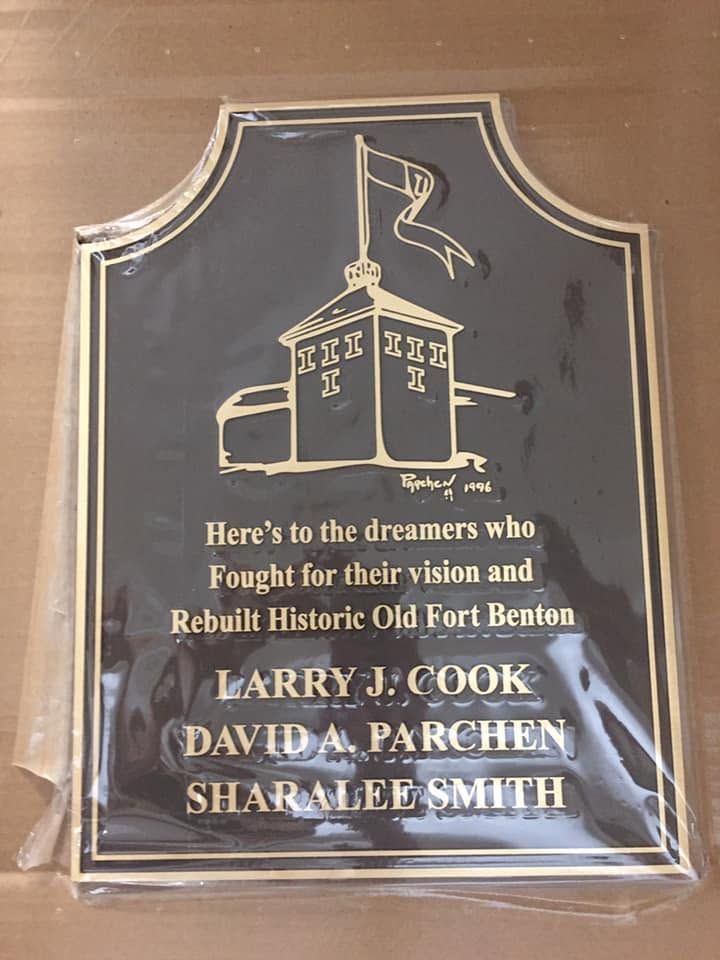
Projects include memorial plaques with family names and dates, historical markers with period photographs reproduced in relief, donor recognition boards with multiple name panels that can be updated as contributions continue, and commercial building identification that matches architectural finishes. Each casting is inspected for voids, edge sharpness, and dimensional accuracy before patina application and shipment.
Common Questions About Bronze Casting
Clients often ask about design limitations, installation requirements, and long-term maintenance before commissioning cast bronze work.
What design details reproduce well in bronze?
Lettering down to about 0.5 inches tall casts clearly, along with logos and graphics that have defined edges—extremely fine lines or intricate filigree may fill in during casting, so designs are reviewed for manufacturability before mold production begins.
How is cast bronze attached?
Mounting methods include threaded studs cast into the back that fit through pre-drilled holes in stone or concrete, adhesive bonding for smooth surfaces, and through-bolting for installations requiring theft resistance or structural load transfer.
Does bronze require maintenance?
The natural patina is self-protecting and requires no sealing or refinishing, though some clients periodically wash plaques with water to remove accumulated grime or apply wax coatings that deepen the patina color and add sheen.
Can existing plaques be replicated?
Yes, provided the original can be photographed or measured—casting new plaques that match historical installations allows expansion of memorial walls or replacement of damaged markers while maintaining visual consistency across the site.
What thickness works for outdoor use?
Most plaques cast at 0.25 to 0.375 inches thick balance durability with weight and material cost, though thinner castings work for interior applications and thicker sections are specified when the plaque must resist impact or vandalism in public spaces.
Double G Engraving works with architects, memorial designers, facility managers, and families throughout Great Falls to develop bronze plaques suited to specific commemoration and identification needs. Bring reference images, text drafts, and installation site details to review design options and production timelines.