Full-Color Graphics That Become Part of the Product
Sublimation Printing in Great Falls for drinkware, apparel, and custom merchandise that requires vibrant, permanent color
Sublimation printing uses heat to convert dye into gas that penetrates polyester fibers and polymer coatings, producing full-color images that won't crack, peel, or fade under normal use. Double G Engraving & Awards produces sublimated drinkware, gifts, apparel, and specialty products for businesses, schools, and organizations in Great Falls. The dye becomes part of the material rather than sitting on top as a surface layer, which means repeated washing, handling, and exposure to sunlight don't degrade the image quality the way screen printing or vinyl transfers do.
The sublimation process requires polyester-based materials or items with a polymer coating that accepts dye molecules. Mugs, tumblers, mousepads, and synthetic fabrics all work well, while natural fibers like cotton and uncoated metals won't hold the transferred image. Design files are printed onto transfer paper using sublimation inks, then heat-pressed onto the product surface under controlled temperature and pressure. The dye bonds at the molecular level, creating a finish that resists scratching and chemical exposure better than printed labels or applied graphics.
Submit your artwork or request design assistance to begin planning custom sublimated products for your branding or event needs.
What You Notice Once Sublimation Completes
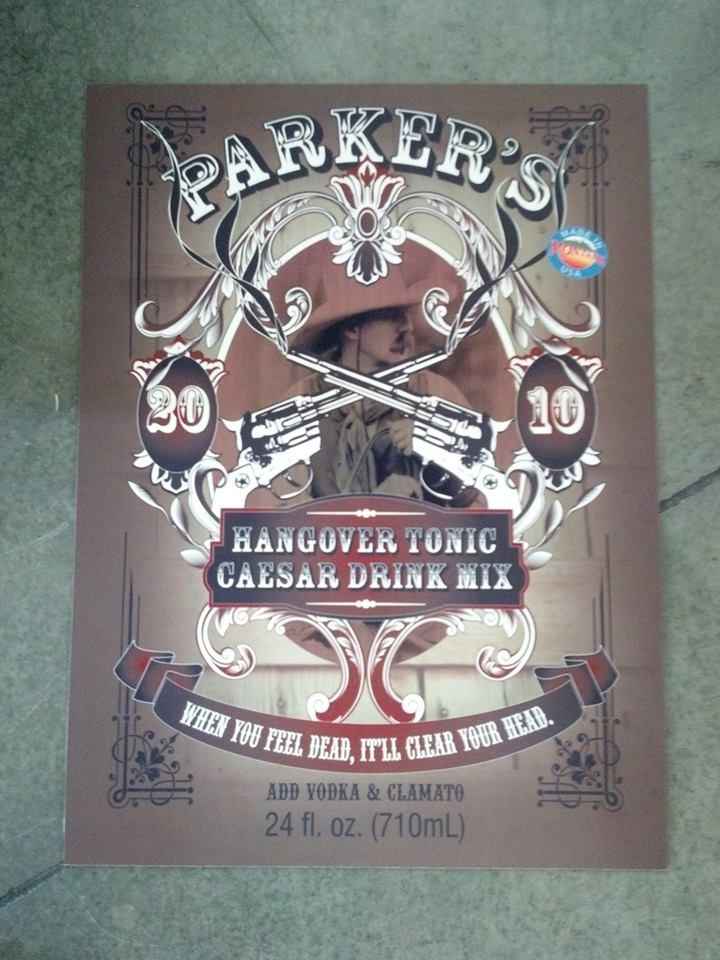
Sublimated graphics show continuous tone and color gradients that printed or engraved methods can't replicate, making them ideal for photographs, complex logos, and designs with multiple colors. The finish feels smooth to the touch because no ink layer sits on top of the surface—the color exists within the material itself, integrated during the heating process. This matters for drinkware that gets washed frequently and apparel that goes through repeated laundry cycles.
After production, you'll see vivid colors with sharp detail that holds up to daily use without fading or wearing away at edges and high-contact areas. Sublimated mugs survive dishwasher cycles without losing image clarity, and synthetic shirts retain full-color graphics even after dozens of washes. The colors remain consistent across large production runs because the dye transfer process doesn't rely on ink layers that vary in thickness or coverage.
Sublimation works best on white or light-colored base materials since the dye is translucent and won't show up clearly over dark backgrounds. Custom layouts accommodate logo placement, text sizing, and full-wrap designs that cover the entire product surface. Projects requiring specific Pantone color matches may need sample runs to confirm how the sublimation process renders certain shades on the chosen material.
Common Questions About This Service
Organizations ordering branded merchandise and event giveaways often ask about color accuracy and material options before placing orders.
What products accept sublimation printing?
Polymer-coated drinkware, polyester apparel, mousepads, certain phone cases, and specialty items with heat-resistant coatings all work well. Natural materials like cotton, untreated wood, and bare metal won't accept sublimation dye because they lack the polymer structure needed for bonding.
How does sublimation compare to screen printing for apparel?
Sublimation produces full-color images without the texture or cracking that screen-printed plastisol inks develop over time, but it only works on polyester fabrics. Screen printing handles cotton and blends but builds up an ink layer that can degrade with repeated washing, especially in high-flex areas.
What level of detail shows up in sublimated images?
Photographs, gradients, and complex graphics reproduce with clarity similar to standard photo printing because the dye transfer process doesn't rely on halftone dots or limited color palettes. Fine text and small details remain legible as long as the source file has sufficient resolution.
How long does sublimation printing take for bulk orders?
Turnaround depends on product availability and order size, with larger runs requiring more press time but no additional setup between items. Great Falls businesses planning promotional campaigns should allow time for artwork approval and any necessary color adjustments before production begins.
What happens if a sublimated product gets scratched?
The color sits within the material rather than on top, so surface scratches won't remove or expose edges of the design. Deep abrasions that penetrate the coating or fabric will affect the image, but normal handling and washing won't cause fading or peeling.
Double G Engraving & Awards helps you select products and finalize layouts that work with sublimation printing's strengths. Contact the shop to review material options and submit artwork for your custom merchandise project.