Deep, Permanent Designs on Glass and Stone
Sandblasting in Great Falls for memorials, awards, and decorative pieces that require lasting detail on hard surfaces
High-pressure abrasive blasting creates recessed designs in glass, stone, and other hard materials by eroding the surface in controlled patterns. The process removes material rather than applying a coating, which means the finished design won't fade, peel, or wear away under outdoor exposure or repeated handling. Double G Engraving & Awards produces sandblasted memorials, awards, and decorative pieces for individuals and commercial clients in Great Falls, with custom artwork and personalized layouts adapted to the material's thickness and intended use.
Sandblasting uses a stencil or resist mask to protect areas that remain smooth while exposing sections that get abraded. The abrasive media—typically fine sand or aluminum oxide—impacts the surface at high velocity, cutting into the material with depth controlled by pressure, media size, and exposure time. Glass accepts fine detail and shading by varying the blasting intensity, while stone and granite develop a frosted contrast between blasted and polished areas. The process works on flat panels, curved surfaces, and three-dimensional objects as long as the material can withstand the abrasive force without cracking.
Discuss custom sandblasting requests to determine material compatibility and layout details for your recognition or memorial project.
What Sandblasting Actually Accomplishes
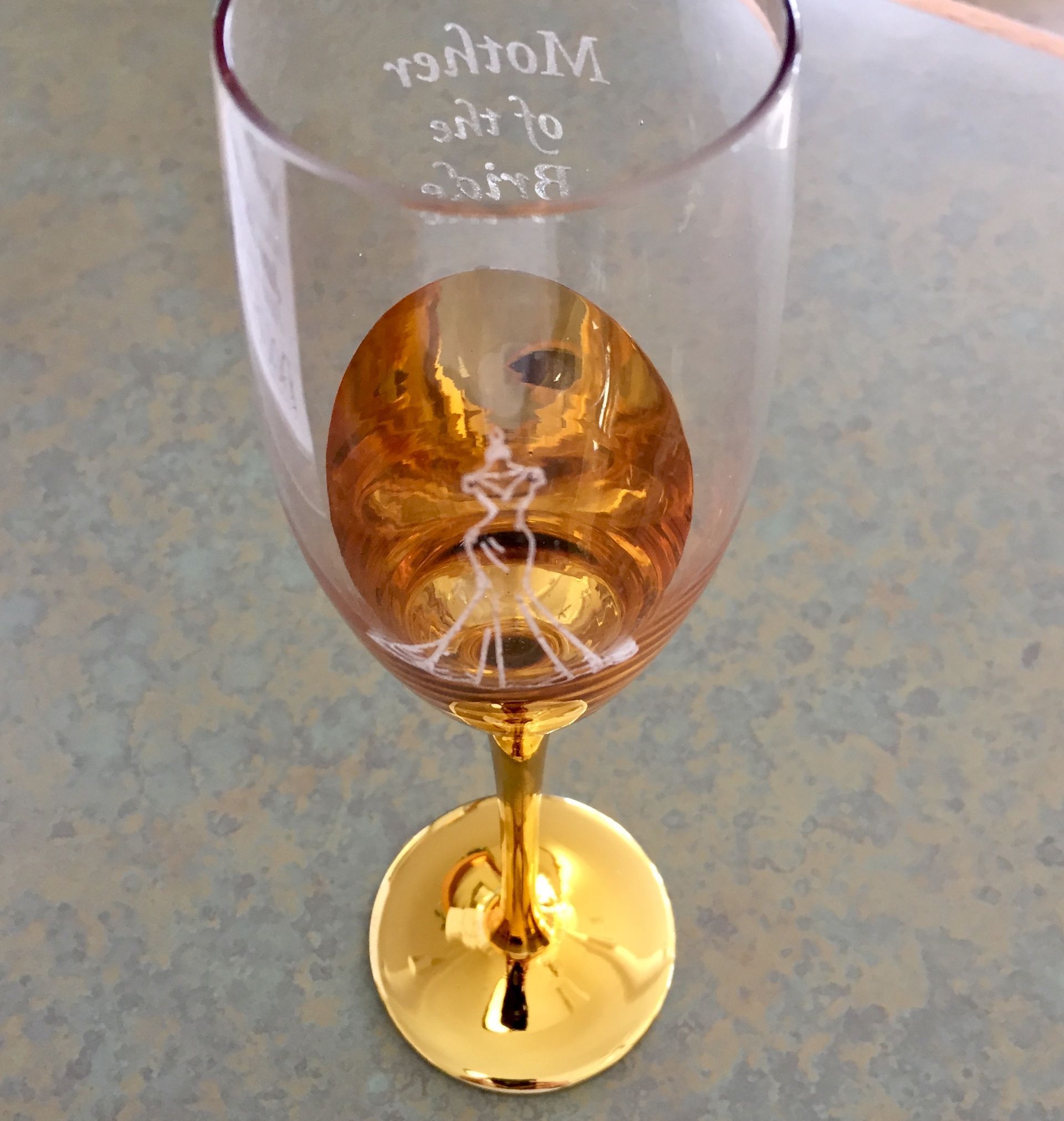
The abrasive process creates texture differences that catch light and cast shadows, making text and images visible from multiple angles without added coloring. On glass, the blasted areas turn translucent or frosted while untouched sections remain clear, producing high contrast that holds up to cleaning and sun exposure. Stone and granite develop a matte finish in blasted regions that contrasts with the polished surface, and the depth of etching adjusts based on how long the material is exposed to the abrasive stream.
After sandblasting, you'll see clean edges and uniform depth across the entire design, with fine details like serif fonts and intricate borders clearly defined. Memorial plaques installed outdoors retain full legibility after years of weather exposure because the design is cut into the material rather than printed or adhered to the surface. Awards and decorative pieces hold their appearance through repeated handling, and the textured areas resist dirt accumulation better than smooth surfaces because there's no coating to trap debris.
Custom artwork, logos, and text layouts are prepared digitally and transferred to resist material before blasting begins. Shading and multi-depth effects require layered stencils and multiple blasting passes, which adds time but produces dimensional results that standard engraving methods can't replicate. Material thickness determines the maximum depth achievable without compromising structural integrity, especially for glass and thin stone panels.
Common Questions About Sandblasting
Customers ordering memorials and recognition pieces in Great Falls often ask about durability and how sandblasting handles detailed artwork on different materials.
What materials work best for sandblasting?
Glass, granite, marble, slate, and certain ceramics all accept sandblasting without cracking, though hardness affects how quickly the design develops. Softer stones like limestone erode faster, requiring careful pressure control to avoid over-blasting and loss of detail.
How does sandblasted detail compare to laser engraving on glass?
Sandblasting creates a frosted, textured surface that diffuses light, while laser engraving produces shallow micro-cracks that remain mostly transparent. Sandblasting offers deeper contrast and better visibility from a distance, especially in outdoor settings where ambient light varies.
What level of detail shows up in sandblasted artwork?
Fine lines, small text, and intricate borders reproduce clearly as long as the stencil resolution supports the design. Complex shading requires additional blasting passes at varied pressures, but most logos and graphics transfer directly from digital files without losing clarity.
How long does a sandblasted piece last outdoors?
The design remains permanently etched into the material, so weather, UV exposure, and temperature cycles won't cause fading or degradation. Outdoor memorials in Great Falls withstand freeze-thaw cycles and wind-driven debris without requiring refinishing, as the blasted texture is part of the material itself.
What happens if the sandblasted surface gets scratched?
Scratches on the surrounding polished area are visible, but the blasted design itself is already textured and recessed, so minor abrasions don't affect legibility. Deep impacts that chip or crack the material will intersect the design, but normal handling and environmental exposure leave the etched areas intact.
Double G Engraving & Awards reviews material options and provides layout recommendations based on where your finished piece will be displayed and how it will be used. Arrange a consultation to review custom artwork and material selection for your sandblasting project.