Directional Markers That Stay Mounted
Signs in Great Falls for businesses, offices, schools, churches, and facility identification
Adhesive-backed vinyl letters peel away from textured surfaces after a single winter, and lightweight plastic signs crack when Montana wind slams doors or when mounting screws over-tighten during installation. Double G Engraving produces custom signs from materials selected for the specific application—engraved plastic for interior office directories, metal panels for exterior building identification, and rigid substrates that hold shape and readability through years of use in both climate-controlled and exposed environments. You need durable signage when wayfinding clarity affects customer experience, when codes require permanent identification of rooms and exits, or when branding consistency across multiple locations depends on signs that don't fade, warp, or delaminate.
The process involves designing layouts that balance text size with viewing distance, selecting materials based on whether signs will face weather exposure or remain indoors, and using engraving or cutting methods that produce edges and lettering clear enough to read quickly under varying lighting conditions. Customization options address different applications—ADA-compliant tactile characters for accessibility, mounting holes or adhesive backing for installation flexibility, and color contrast combinations that meet visibility standards.
Discuss custom sign requirements including dimensions, mounting methods, and the environment where signs will be installed.
The Difference Between Temporary and Permanent Signage
Professional signs use substrates thick enough to resist warping from temperature swings and fastening methods that distribute load across the material instead of concentrating stress at screw points where thin panels crack. Clear, professional designs improve visibility and branding by using font sizes proportional to viewing distance, color combinations that maintain contrast in both bright sunlight and dim hallways, and information hierarchy that lets viewers extract relevant details at a glance rather than studying cluttered layouts.
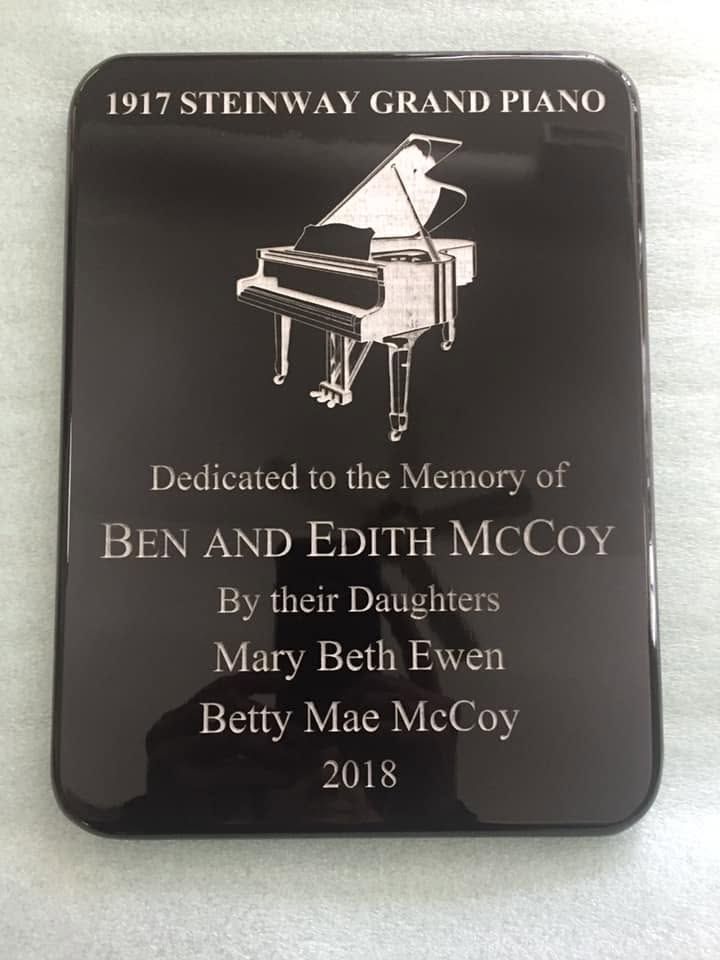
Once installed, you'll see that engraved signs maintain legibility without fading because the text is defined by material removal rather than applied ink, and rigid construction keeps panels flat against mounting surfaces without sagging or curling at corners. Directional signs continue pointing accurately, room identification remains readable as staff and visitors navigate facilities, and exterior business markers stay attached through wind and precipitation events that strip away lesser installations.
Solutions for identification, directional, and informational signage include office suite numbers with interchangeable tenant name panels, exterior building signs with company logos and address numerals, interior wayfinding that guides visitors through multi-room facilities, and safety or regulatory signs that meet compliance requirements for specific industries. Each sign is reviewed for spelling, layout balance, and mounting compatibility before production begins.
What Customers Ask About Custom Signs
Businesses and institutions throughout the region often ask about material choices, installation methods, and compliance considerations before ordering signage.
What material works for outdoor signs?
Aluminum and UV-resistant plastics handle Montana weather without rusting or degrading, with engraved or routed lettering that sheds water and resists sun bleaching better than printed graphics that fade over multiple seasons of exposure.
How are signs mounted?
Methods include pre-drilled corner holes for screw mounting to walls or posts, adhesive backing for smooth interior surfaces like drywall or painted metal, and standoff hardware that spaces signs away from walls for dimensional appearance and shadow effects.
Do signs meet ADA requirements?
Compliant signs include Grade 2 Braille and raised tactile characters with specific height, spacing, and contrast ratios—layouts are designed to meet Americans with Disabilities Act standards when accessibility regulations apply to the building or facility type.
Can sign designs match existing branding?
Yes, provided logo files or color specifications are supplied—signs can incorporate specific fonts, Pantone color matches, and graphic elements that align with established brand guidelines across locations.
What size ensures readability?
Viewing distance determines minimum letter height—a general rule suggests one inch of letter height per ten feet of viewing distance, though this varies based on lighting, contrast, and whether viewers are stationary or moving past the sign.
Double G Engraving produces signs for single installations and multi-location rollouts, with digital records maintained for easy reordering as facilities expand or tenant information changes. Provide site details, design references, and any regulatory requirements to begin planning sign production and installation coordination.